

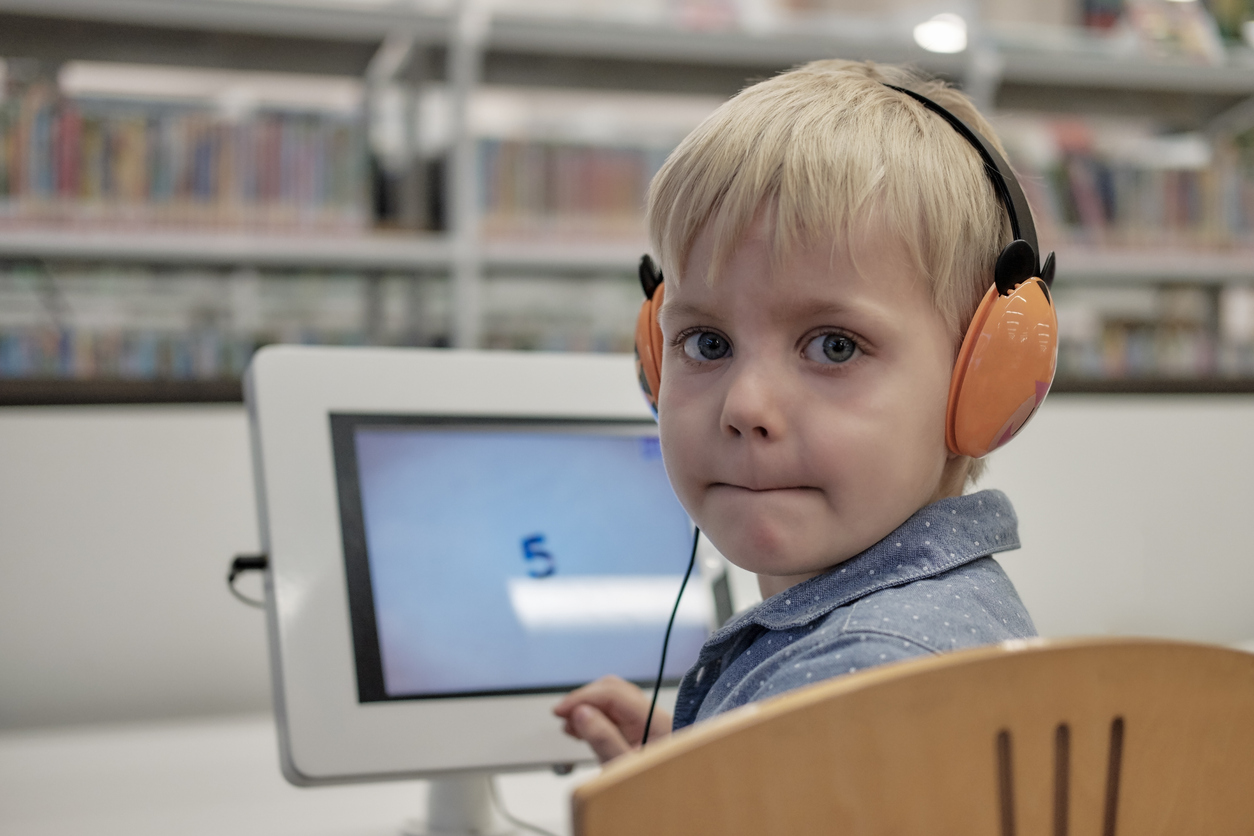
Teaching media literacy from an early age is very important because children are exposed to media and digital content almost as soon as they begin using devices. Early education helps them develop critical thinking skills, recognize false information, understand how media work, and use digital technologies safely and responsibly.
Children who are media literate can more easily distinguish between real and manipulative content, better understand advertisements and online messages, and become more aware of privacy and digital security.
There are different ways to teach media literacy to young children. One approach is to integrate it into regular school subjects through workshops, games, and project-based activities. Another approach involves using digital platforms and applications that promote safe internet use and critical thinking.
It is important to create digital educational quizzes and implement other activities appropriate for children that help foster their interest in developing critical thinking and media literacy. Through storytelling methods, children can be taught to recognize fake news and distinguish between different layers of narrative.
Important role of parents and the wider community
Parents and the wider community also play an important role by encouraging conversations and guiding children’s media use. When schools, technology, and families work together, children receive the best support for developing strong media literacy skills. Parents need to be informed and teach their children from an early age about the difference between the media world and the real world, as well as good online habits. Institutions and local communities can also contribute by organizing workshops, designing games, and creating printed content such as picture books.
Early exposure to digital media—often unfiltered and sometimes manipulative—can shape how children understand the world. Without guidance, they are more vulnerable to misinformation and may struggle to differentiate between entertainment, advertising, and factual content.
It is therefore necessary to provide safe, structured, and age-appropriate tools to build critical awareness from an early age, while encouraging families, schools, and communities to share responsibility in this process.

Funded by the European Union. Views and opinions expressed, however, are those of the author(s) only and do not necessarily reflect those of the European Union or European Education and Culture Executive Agency (EACEA). Neither the European Union nor the granting authority can be held responsible for them.
Tekst se nastavlja ispod oglasa Tekst se nastavlja ispod oglasaIzvor: narod.hr


Sukladno članku 94. Zakona o elektroničkim medijima, komentiranje članaka na web portalu i društvenim mrežama Narod.hr dopušteno je registriranim korisnicima. Čitatelj koji želi komentirati članke obavezan se prethodno upoznati sa Pravilima komentiranja na web portalu i društvenim mrežama Narod.hr te sa zabranama propisanim člankom 94. stavak 2. Zakona o elektroničkim medijima.